Lost in LA’s Wildly Creative Soul—You Gotta See This
Ever stepped into a city and instantly felt the buzz of creativity in the air? That’s Los Angeles. Far beyond Hollywood glitz, the city pulses with raw, unfiltered art and culture. From street murals that tell stories to galleries tucked in unexpected corners, LA’s artistic heartbeat is real, bold, and totally addictive. I hit the streets to uncover the spots that make locals stop, stare, and snap photos—and trust me, you’ll want to too. This is not a city that hides its soul; it paints it across walls, sculpts it into public spaces, and breathes it into every neighborhood. Whether you're wandering through serene museum halls or tracing the vibrant lines of a mural in a quiet alley, Los Angeles invites you to see beauty in the unexpected.
The Art-Loving Heart of Los Angeles
Los Angeles is often misunderstood as a city obsessed with fame and appearance, but beneath the surface lies a deeply rooted artistic soul. The city’s creative spirit is not confined to studios or galleries—it spills into streets, parks, and community centers. Art in LA is a form of storytelling, resistance, celebration, and identity. From the bold Chicano murals in Boyle Heights to the avant-garde installations in Culver City, the city’s visual language is rich, diverse, and constantly evolving. This artistic energy is fueled by LA’s multicultural population, where traditions from Mexico, Central America, Asia, and beyond converge to inspire new forms of expression.
Public art in Los Angeles is more than decoration—it is a voice for communities often overlooked in mainstream narratives. Murals in neighborhoods like Echo Park and Highland Park reflect social issues, cultural pride, and historical memory. Many of these works were born out of grassroots movements, particularly during the Chicano civil rights era, when artists used walls as canvases to assert identity and demand justice. Today, organizations like the Mural Conservancy of Los Angeles work to preserve these works, recognizing their cultural significance and ensuring they are not lost to time or development.
What makes LA’s art scene truly special is its accessibility. Unlike cities where art is reserved for elite institutions, here it thrives in the open. You don’t need a ticket to experience it. A simple walk down York Boulevard or a drive through the Arts District can become an immersive gallery tour. The city’s commitment to public art is also reflected in programs like the City of Los Angeles Department of Cultural Affairs’ Percent for Art initiative, which allocates funding for new artworks in public spaces. This democratization of art ensures that creativity remains a shared experience, not a privilege.
The Getty Center: Where Nature Meets Masterpieces
Rising above the 405 freeway like a modern Acropolis, the Getty Center is a sanctuary of art, architecture, and nature. Perched on a hilltop in the Santa Monica Mountains, it offers sweeping views of the city, the ocean, and the surrounding canyons. Designed by architect Richard Meier, the complex is a masterpiece in itself, with its travertine stone façades, geometric layout, and carefully curated gardens. But the Getty is more than a visual feast—it’s a place of contemplation, where art and environment coexist in harmony.
Inside, the museum houses an impressive collection spanning six centuries of European art. Visitors encounter works by Van Gogh, Rembrandt, Monet, and Titian, alongside rare illuminated manuscripts and 19th-century photographs. The galleries are thoughtfully arranged, allowing natural light to enhance the viewing experience without damaging delicate pieces. One of the most beloved spots is the Central Garden, a living artwork designed by artist Robert Irwin. With its winding pathways, seasonal blooms, and cascading stream, the garden invites slow, mindful exploration—a rare gift in a fast-paced city.
A visit to the Getty is not just about seeing art; it’s about feeling a sense of peace above the urban rush. The tram ride up from the parking area sets the tone—gradually lifting you from the noise below into a realm of quiet elegance. For families, the Getty offers interactive exhibits and a hands-on art studio for children, making it a welcoming destination for all ages. To make the most of your visit, plan for weekday mornings when crowds are lighter. Parking requires a fee, but entry to the museum and garden is always free, reflecting the Getty’s mission to make art accessible to everyone.
The Broad: A Downtown Gem with an Edge
In the heart of downtown Los Angeles, The Broad stands as a striking contrast to its surroundings. Its honeycomb-like “veil” façade, designed by Diller Scofidio + Renfro, creates a luminous exterior that glows at night. Inside, the museum houses a dynamic collection of contemporary art, from the 1950s to the present. Founded by philanthropists Eli and Edythe Broad, the museum was created to share their personal collection with the public—and it delivers on that promise with boldness and clarity.
One of the most iconic experiences at The Broad is Yayoi Kusama’s Infinity Mirrored Room: The Souls of Millions of Light Years Away. This immersive installation, filled with mirrors and floating LED lights, creates the illusion of infinite space. It’s a moment of wonder that draws visitors of all ages, often with timed tickets required due to high demand. But The Broad offers much more than Instagram-worthy moments. Its collection includes powerful works by Jean-Michel Basquiat, Andy Warhol, Cindy Sherman, and Jeff Koons, each challenging viewers to think critically about identity, consumerism, and society.
What sets The Broad apart is its commitment to accessibility. General admission is free, though visitors must reserve timed tickets in advance, especially on weekends. The museum’s layout encourages exploration, with open galleries and natural light filtering through the veil. Educational programs, audio guides, and family-friendly activities make it an engaging destination for first-time visitors and seasoned art lovers alike. Located near MOCA and Walt Disney Concert Hall, The Broad is a cornerstone of downtown LA’s cultural renaissance, proving that world-class art can thrive in an urban core.
Arts District: From Warehouses to Street Art Wonderland
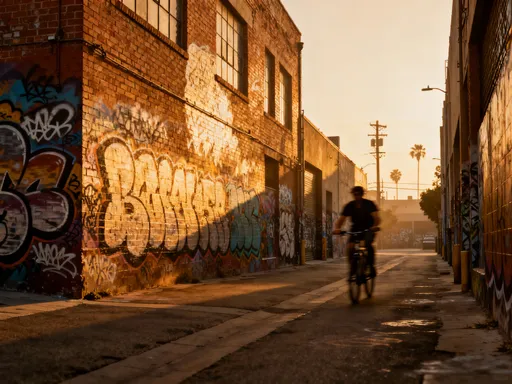
Once a cluster of industrial warehouses and factories, the Arts District in downtown LA has transformed into one of the city’s most vibrant creative neighborhoods. Located east of the Los Angeles River, it’s now a hub for galleries, studios, craft breweries, and innovative eateries. But what truly defines the area is its street art. Murals cover entire building façades, turning alleyways into open-air exhibitions. Walking through the district feels like flipping through the pages of an artist’s sketchbook—raw, energetic, and full of surprises.
At the center of this creative explosion is Hauser & Wirth Los Angeles, a sprawling contemporary art gallery housed in a former flour mill. With its indoor and outdoor spaces, sculpture garden, and café, it’s more than a gallery—it’s a cultural destination. Exhibitions here often feature globally recognized artists, yet the space maintains an inviting, human scale. Nearby, smaller galleries like WIZARD GALLERY and Think Tank Gallery showcase emerging talent, ensuring the district remains a breeding ground for new ideas.
The Arts District also grapples with the challenges of gentrification. As rents rise and luxury lofts replace old warehouses, long-time residents and artists face displacement. Yet, efforts are underway to preserve the area’s authentic spirit. Community events, artist cooperatives, and public art initiatives help maintain a balance between growth and integrity. For visitors, the best way to experience the district is on foot—start with a coffee at Alfred or Blue Bottle, then wander down Traction Avenue and Arts District streets, letting the art guide your path. Bring a camera, but also take time to simply absorb the atmosphere—the hum of creativity is palpable.
Self-Help Graphics & the Power of Community Art
Nestled in Boyle Heights, east of downtown, Self-Help Graphics & Art has been a cornerstone of Chicano and Latino artistic expression since the 1970s. More than a studio, it’s a cultural institution that has nurtured generations of printmakers, muralists, and activists. Founded during the Chicano civil rights movement, the organization provided a space for artists to create politically charged work that celebrated heritage and challenged injustice. Its iconic silkscreen prints—vibrant, symbolic, and deeply personal—became powerful tools for community empowerment.
Today, Self-Help Graphics continues its mission through workshops, exhibitions, and the annual Día de los Muertos celebration, one of the most significant cultural events in Los Angeles. Unlike commercial galleries, this space thrives on collaboration and education. Visitors may not find marble floors or velvet ropes, but they will encounter something far more valuable: authenticity. Watching an artist pull a print from a press or listening to a storytelling session in the courtyard offers a rare glimpse into the heart of community-based art.
The organization’s resilience is a testament to the enduring power of art as a force for social change. Despite funding challenges and neighborhood shifts, Self-Help Graphics remains committed to accessibility, offering low-cost classes and open studio time. For those seeking a deeper understanding of LA’s cultural fabric, a visit here is essential. It reminds us that art is not only about beauty—it’s about belonging, memory, and the courage to speak truth through creativity.
The Craft & Folk Art Museum: Hidden Beauty in Hancock Park
Just across the street from the bustling Los Angeles County Museum of Art (LACMA), the Craft and Folk Art Museum (CAFAM) offers a quieter, more intimate experience. Located in Hancock Park, this modest but mighty institution celebrates handmade traditions from around the world. Its rotating exhibitions spotlight textiles, ceramics, basketry, and ritual objects—art forms often overlooked in mainstream museums. Each display tells a story of cultural identity, skill, and continuity, inviting visitors to appreciate the beauty of human touch in an increasingly digital world.
One recent exhibition featured intricate Oaxacan wood carvings from Mexico, each piece hand-painted with symbolic patterns passed down through generations. Another showcased contemporary fiber art from Japan, blending ancient techniques with modern expression. What makes CAFAM special is its focus on process as much as product. Labels often include details about materials, tools, and the artists’ communities, deepening the viewer’s connection to the work. For families, the museum offers hands-on workshops where children can try their hand at weaving, pottery, or paper-making—an engaging way to learn about global cultures.
In a city known for spectacle, CAFAM stands as a quiet reminder of the value of craftsmanship and cultural preservation. It doesn’t seek to dazzle with scale or celebrity, but to inspire respect for the quiet dignity of handmade art. Admission is affordable, and the museum’s compact size makes it a perfect complement to a day at LACMA or a peaceful stop after exploring Wilshire Boulevard. For those who believe that art lives not only in grand gestures but in careful stitches and carved lines, CAFAM is a must-see.
Planning Your Art-Fueled LA Journey
Exploring Los Angeles through its art scene is a journey of discovery, but it requires thoughtful planning. The city is vast, and its cultural gems are spread across different neighborhoods. To make the most of your trip, consider grouping destinations by region. Start in the west with the Getty Center and LACMA, then head downtown to visit The Broad and MOCA. The next day, explore the Arts District and Boyle Heights, where Self-Help Graphics offers a powerful cultural experience. Spreading visits over two or three days allows for deeper engagement without rushing.
Public transportation has improved in recent years, with Metro Rail and bus lines connecting many key areas. The DASH downtown shuttle is free and stops near The Broad and the Arts District. For the Getty, the easiest option is driving, though ride-sharing services are reliable. If you’re staying in Hollywood or West Hollywood, consider renting a bike or using a scooter app to explore smaller galleries and murals at street level. Walking tours, such as those offered by Downtown Art Walk or LA Conservancy, provide expert insights and help uncover hidden details.
Timing matters. Museums like The Broad and the Getty are busiest on weekends, so weekday visits offer a more relaxed experience. Many institutions have free admission days or evening hours—The Broad offers free general admission with timed tickets, while LACMA has “pay-what-you-wish” evenings on certain weekdays. Pair your visits with local eateries: try a taco from a Boyle Heights stand, grab brunch in the Arts District, or enjoy tea in the Getty’s garden café. These moments of pause enrich the journey, turning a cultural tour into a full sensory experience.
Ultimately, Los Angeles reveals its true character not through its celebrities or skyline, but through its art. Every mural, gallery, and community studio tells a story of resilience, imagination, and connection. For women in their 30s to 50s—mothers, professionals, creatives, and travelers—LA’s art scene offers inspiration, reflection, and joy. It’s a reminder that creativity is not reserved for the young or the famous, but flourishes in every stage of life. So pack your comfortable shoes, bring your curiosity, and let the city’s wildly creative soul surprise you. In Los Angeles, art isn’t just seen—it’s lived, breathed, and shared with open arms.