You Won’t Believe These Hidden Architectural Gems in Toronto
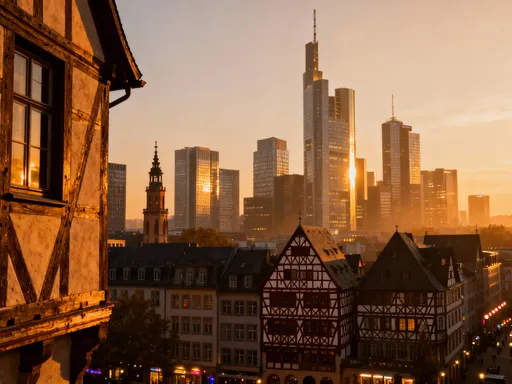
Toronto’s skyline is more than glass towers—it’s a living gallery of bold design and unexpected beauty. As a photographer, I was stunned by how the city blends modern flair with historic charm. From reflective skyscrapers to forgotten brick facades, every corner tells a visual story. This isn’t just architecture; it’s art waiting to be captured. Let me take you through the most photogenic structures that define Toronto’s soul.
Why Toronto’s Architecture Tells a Unique Story
Toronto’s architectural identity is shaped by its evolution from a colonial settlement into one of North America’s most dynamic, multicultural cities. Unlike other major urban centers that developed around a single aesthetic or historical period, Toronto has grown through waves of immigration, economic shifts, and urban renewal—each leaving a distinct imprint on its built environment. The result is a cityscape where 19th-century stone facades stand shoulder to shoulder with sleek glass towers, and where cultural influences from around the world are reflected in the design language of neighborhoods and public spaces.
What makes Toronto particularly compelling for visual storytelling is this deliberate contrast between old and new. In the Financial District, for instance, the ornate domes and clock towers of early civic buildings coexist with minimalist high-rises clad in reflective glass. This juxtaposition isn’t accidental—it reflects a civic ethos that values preservation while embracing innovation. Heritage conservation policies have protected over 2,000 designated properties across the city, ensuring that historical structures are not erased in the name of progress. At the same time, forward-thinking urban planning has encouraged architectural experimentation, making Toronto a testing ground for sustainable design and vertical living.
For photographers and visual enthusiasts, this blend offers endless opportunities for compelling compositions. A single frame can capture centuries of design evolution: the intricate ironwork of a Victorian-era balcony mirrored in the reflective surface of a contemporary skyscraper, or a centuries-old church spire rising behind a cluster of angular condo towers. These layered narratives give Toronto’s architecture emotional depth, transforming buildings from static objects into storytellers of time, resilience, and cultural fusion.
The Iconic Skyline: A Photographer’s First Stop
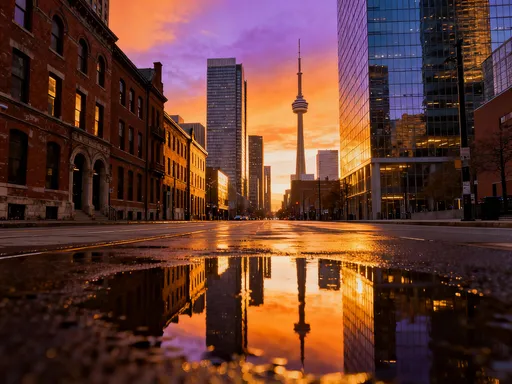
No exploration of Toronto’s architectural landscape is complete without confronting its most recognizable symbol—the CN Tower. Soaring 553 meters above Lake Ontario, this engineering marvel remains one of the tallest freestanding structures in the Western Hemisphere. While many visitors ascend the tower for panoramic views, photographers often find greater inspiration looking up at it—or capturing it from a distance, framed by the city’s evolving skyline. The tower’s slender, tapering form creates a powerful vertical line that draws the eye, especially when illuminated at night with color-changing LED lights that mark holidays, seasons, and civic events.
Equally significant are the neighboring high-rises that define the Financial District’s dense core. First Canadian Place, the tallest office tower in Canada, features a neo-Gothic-inspired crown and mirrored façade that reflects shifting skies and passing clouds. Scotia Plaza, with its stepped pyramid roof, adds geometric interest to skyline compositions. These buildings, constructed primarily in the 1970s and 1980s, represent an era of corporate ambition and modernist confidence. When photographed together, they form a cohesive yet varied ensemble that speaks to Toronto’s economic stature.
To capture the full breadth of this urban panorama, certain vantage points offer unparalleled perspectives. Roundhouse Park, located just west of downtown, provides an open foreground with seasonal greenery and water features, allowing the skyline to rise dramatically in the background. At golden hour—roughly an hour after sunrise or before sunset—the warm light bathes the glass towers in soft amber tones, while their reflections shimmer across puddles or the nearby railway tracks. Harbourfront Centre, along the lake’s edge, offers another ideal location, particularly for long-exposure shots that smooth the rippling water into a mirror-like surface. From here, the CN Tower appears to rise directly from the lake, creating a striking silhouette against twilight skies.
Historic Gems in the Heart of the City
Beyond the modern skyline, Toronto’s architectural soul is preserved in its collection of heritage buildings—structures that have survived decades of change and continue to command attention through craftsmanship and character. Old City Hall, completed in 1899, stands as a masterpiece of Romanesque Revival architecture. Its massive stone arches, intricate carvings, and central clock tower evoke a sense of permanence and civic dignity. The building’s red-brick and sandstone façade weathers beautifully under natural light, revealing texture and depth that reward close-up photography. Shooting from the front steps of the adjacent Courthouse offers a symmetrical composition, while low-angle shots emphasize the tower’s imposing height.
Another landmark rich in photographic potential is the Flatiron Building at the intersection of Wellington and Front Streets. Inspired by its more famous counterpart in New York, this early 20th-century structure tapers into a dramatic wedge shape where two streets converge. The terra-cotta façade, detailed with classical motifs and arched windows, glows warmly in morning light. Because it sits at a busy intersection, timing is key—arriving early on a weekday or during weekend mornings ensures fewer pedestrians and vehicles, allowing the building’s form to dominate the frame. A wide-angle lens can exaggerate the convergence of lines, enhancing the sense of dynamic perspective.
Union Station, Toronto’s main rail hub, is another architectural treasure often overlooked by travelers in transit. Opened in 1927, it was designed in the Beaux-Arts tradition, featuring a grand colonnaded façade, a vaulted glass ceiling in the main hall, and polished stone floors that reflect ambient light. The symmetry of the exterior columns and the rhythmic spacing of the windows make it ideal for architectural photography, particularly when framed against a dramatic sky. Inside, the terminal’s soaring ceiling and natural daylight create a cathedral-like atmosphere. For photographers, early morning visits offer soft, diffused light and minimal foot traffic, enabling clean shots of the space’s elegant proportions and historical details.
Modern Marvels: Where Design Meets Innovation
Toronto’s contemporary architecture showcases the city’s willingness to embrace bold design and technological advancement. Among the most visually striking is the TIFF Bell Lightbox, home to the Toronto International Film Festival. Its façade consists of stacked glass boxes that appear to float above the sidewalk, creating a sense of movement and transparency. At night, illuminated from within, the building becomes a glowing lantern in the downtown core. Photographers can experiment with long exposures to capture light trails from passing vehicles reflected in its surfaces, or use polarizing filters to reduce glare and reveal interior activity during the day.
Equally iconic is the Sharp Centre for Design at OCAD University, affectionately known as the “tabletop” building. Elevated on a cluster of multicolored steel legs, its black-and-white pixelated façade stands in stark contrast to the surrounding urban fabric. The building’s unconventional form challenges traditional notions of stability and balance, making it a favorite subject for abstract compositions. Shooting from below emphasizes the dramatic cantilever, while drone-free perspectives from nearby buildings or ground level allow for creative framing against the sky. Because of its location on a major street, timing shots between pedestrians and cyclists helps maintain visual clarity.
One Bloor, a residential skyscraper near Yonge and Bloor, represents another facet of Toronto’s architectural ambition. Its tapered silhouette and reflective glass cladding create a shimmering effect as light shifts throughout the day. The building’s crown, illuminated at night, adds a vertical accent to the midtown skyline. For wide-angle cityscape shots, positions along Mount Pleasant Road or Rosedale Valley Road offer unobstructed views, especially in autumn when the surrounding trees add seasonal color to the composition. These modern structures do more than house people or programs—they serve as sculptural landmarks that redefine the city’s visual identity.
Hidden Courtyards and Alleyway Artistry
While Toronto’s major landmarks attract the most attention, some of its most photogenic moments exist in quieter, less-trafficked spaces. The Toronto Dominion Centre, a complex of six black-clad skyscrapers designed by modernist architect Ludwig Mies van der Rohe, includes a public plaza that is often overlooked by passersby. The symmetrical layout, geometric planters, and reflective surfaces create a minimalist aesthetic ideal for architectural photography. Early on weekday mornings, when the sun angles across the plaza, long shadows and crisp lines enhance the sense of order and precision that defines Mies’ design philosophy.
Another hidden gem is Draper Square, a small courtyard nestled between heritage buildings in the St. Lawrence neighborhood. Once an industrial site, it has been transformed into a tranquil green space framed by restored brick structures with original detailing. The interplay of old masonry, modern landscaping, and dappled light filtering through trees offers intimate, human-scale compositions. Because it’s off the main tourist path, the space remains peaceful, allowing photographers to work without distraction. Low-angle shots that include the surrounding rooftops and sky can create a sense of enclosure and serenity.
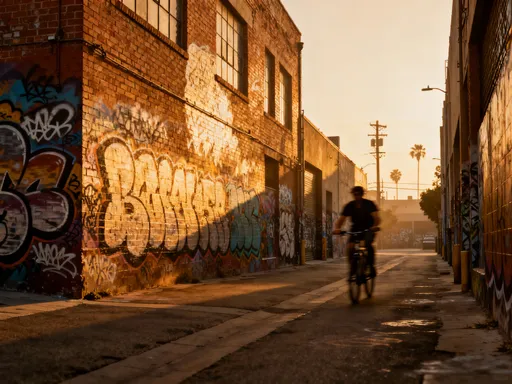
Exploring side streets and laneways also reveals unexpected architectural details—ornate iron staircases, hand-painted signs, and textured brickwork that tell stories of Toronto’s working-class past. The city’s laneway revitalization projects have brought new life to these narrow corridors, adding public art, greenery, and seating. These spaces invite slower, more contemplative photography—focusing on texture, pattern, and the subtle beauty of everyday urban elements. Carrying a lightweight prime lens with a wide aperture allows for sharp detail shots even in lower light conditions, capturing the grain of weathered wood or the reflection in a rain-soaked cobblestone.
Seasonal Shifts: How Light and Weather Transform Buildings
Toronto’s four distinct seasons dramatically influence the way architecture appears through the lens. Each season brings unique lighting conditions, atmospheric effects, and color palettes that can elevate a simple building shot into a mood-rich image. Winter, often seen as a challenge for outdoor photography, actually offers some of the most rewarding opportunities. Fresh snow coats rooftops and ledges, softening sharp edges and creating high-contrast scenes. The low winter sun casts long shadows across façades, emphasizing texture and depth. On clear days, the bright white snow reflects light upward, illuminating the undersides of architectural features that are often in shadow during other seasons.
Spring introduces softer light and pastel tones as the city thaws. Morning fog sometimes rolls in from Lake Ontario, wrapping the lower levels of skyscrapers in mist while the upper floors catch the first rays of sunlight. This layering effect creates a dreamlike quality, ideal for long-exposure shots that emphasize atmosphere over detail. Cherry blossoms and budding trees in parks and plazas add natural frames to architectural compositions, blending organic and built forms in harmonious balance.
Summer brings intense midday light, which can be harsh for photography—but also opportunities for capturing reflections and shadows at their most defined. The high sun creates strong vertical contrasts on glass towers, while the long daylight hours allow for extended shooting into the evening. Twilight in summer, known as the “blue hour,” lasts longer, offering extended windows for cityscape photography with balanced exposure between artificial and natural light.
Autumn is perhaps the most visually dynamic season. The golden hues of falling leaves contrast beautifully with the cool grays and silvers of modern buildings. Backlighting through thin clouds enhances the warmth of brick and stone structures, while morning frost on windowpanes adds texture to close-up shots. Weather itself becomes a creative tool: rain-slicked streets mirror façades and sky, doubling the visual impact of a composition. Photographers should be prepared with weather-resistant gear and lens cloths to manage moisture, but the results—reflective surfaces, moody skies, and rich color—are often worth the extra effort.
Photographing Architecture Responsibly and Creatively
As rewarding as architectural photography can be, it comes with ethical responsibilities. Respecting private property is paramount—while public streets and parks generally allow photography, entering restricted areas, trespassing on construction sites, or using drones without permits can lead to legal issues and safety concerns. Toronto has strict regulations regarding drone use in urban areas, particularly near airports and crowded spaces, so photographers should rely on ground-level perspectives to capture their subjects.
Being mindful of public space usage is equally important. Setting up tripods during peak hours on busy sidewalks can obstruct pedestrian flow, so choosing quieter times or designated viewpoints helps maintain courtesy and safety. When photographing people near buildings—whether commuters, workers, or tourists—it’s considerate to avoid intrusive close-ups unless permission is given. The goal is to document the architecture, not to disrupt the lives of those who inhabit or pass through these spaces.
Creativity thrives within boundaries. Instead of relying on drones, photographers can explore alternative vantage points: elevated walkways, public rooftops (such as those at shopping centers or libraries), or even ferry rides from the Toronto Islands for distant skyline views. Long exposures at dusk can turn moving lights into glowing streaks, adding energy to static compositions. Close-up shots of architectural details—rivets, patterns, weathering—can tell stories as powerful as wide-angle panoramas. By combining technical skill with ethical awareness, photographers contribute to a respectful and sustainable appreciation of the city’s built environment.
Toronto’s architecture isn’t just about height or history—it’s a canvas of constant reinvention. Through the lens, we don’t just record buildings; we capture the rhythm of a city evolving. Whether you’re chasing reflections at dawn or tracing century-old carvings, every shot adds to Toronto’s visual legacy. Pick up your camera, step outside, and start seeing the city like never before.