This Is Why Fiordland’s Culture Will Blow Your Mind
You know that feeling when a place surprises you not just with its beauty, but with its soul? That’s Te Anau. Nestled on the edge of Fiordland, this quiet town isn’t just a gateway to Milford Sound—it’s a living canvas of Māori heritage, untouched landscapes, and stories whispered through generations. I didn’t expect to feel so connected. From ancient legends carved into rock to modern-day artisans keeping traditions alive, Te Anau offers cultural moments that don’t just look good on camera—they stay with you.
The Heartbeat of Fiordland: Te Anau’s Cultural Identity
Te Anau is more than a scenic stopover; it is a cultural crossroads where history, identity, and landscape converge. For the Māori iwi (tribe) Ngāi Tahu, this region has long been a place of deep significance, shaped by ancestral ties to the mountains, rivers, and lakes that define Fiordland. The name Te Anau itself means 'the place of swirling waters' in te reo Māori, a poetic nod to the ever-changing currents of Lake Te Anau. This connection to water is not merely descriptive—it is spiritual, rooted in a worldview where land and people are not separate, but kin.
The town’s cultural identity is woven into everyday life. From the design of public spaces to the language used in signage, there is a quiet but powerful presence of Māori values. Visitors may notice the use of dual naming—such as Te Anau / Lake Te Anau—reflecting a growing recognition of indigenous heritage. Local businesses, too, honor this legacy, with many incorporating traditional motifs and stories into their offerings. This is not tourism dressed in cultural costume; it is culture lived, shared, and sustained.
For travelers seeking authenticity, Te Anau offers a rare opportunity: to step into a place where identity is not performed for an audience, but expressed as part of daily rhythm. This sense of belonging—both for the people of Ngāi Tahu and for respectful visitors—transforms the experience of travel. It invites a slower pace, a deeper gaze, and a willingness to listen. In a world where many destinations feel increasingly homogenized, Te Anau stands as a reminder that true richness lies in cultural continuity.
Māori Connection to the Land: When Nature Is Ancestor
In Māori cosmology, the natural world is not a resource to be used, but a living ancestor to be revered. This worldview, known as kaitiakitanga, or guardianship, shapes the way Ngāi Tahu interact with Fiordland. Mountains are not just geological formations—they are tūpuna, or ancestors, with names, histories, and spiritual power. Lake Te Anau is seen not only as a body of water but as a living entity, connected to the people who live beside it through generations of care and storytelling.
One of the most profound examples of this relationship can be found along the Awarua Track, a lesser-known trail that follows an ancient Māori route. As visitors walk this path, they are not just hiking—they are tracing the footsteps of ancestors. Interpretive panels along the way share pūrākau (legends), such as the tale of Te Hākari, a great feast said to have taken place near the lake’s shores, or the story of Rakaihautū, the legendary explorer who carved out the southern lakes with his digging stick. These are not myths in the Western sense, but living narratives that continue to shape identity and belonging.
Sacred lookouts, such as those near the Te Anau Glowworm Caves, offer moments of quiet reflection. From these vantage points, one can see how the land unfolds like a sacred map—each peak, inlet, and island holding meaning. Visitors are encouraged to approach these spaces with reverence, understanding that they are not just viewing scenery, but entering a spiritual landscape. This deep connection to place transforms the act of travel from observation to participation, from seeing to sensing.
Living Traditions: Art, Carving, and Storytelling Today
Culture in Te Anau is not confined to the past; it is vibrantly alive in the present. Local artisans—many of them members of Ngāi Tahu—keep traditions alive through wood carving, weaving, and storytelling. At the Fiordland Heritage and Visitor Centre, visitors can view hand-carved poupou (carved wall panels) that depict ancestral figures and tribal history. These are not museum relics, but contemporary works created by living artists who have trained for years in traditional techniques.
One of the most moving experiences available is a guided waka (canoe) journey on Lake Te Anau. Led by local Māori guides, these trips begin with a karakia (prayer) to acknowledge the ancestors of the lake. As the waka glides across the water, participants learn about the significance of the lake’s islands, the traditional uses of native plants, and the importance of silence in listening to the land. These are not staged performances, but intimate moments of cultural exchange.
Evening storytelling sessions, often held at community halls or during cultural festivals, offer another window into living tradition. Elders share pūrākau passed down through generations, their voices rising and falling like the rhythms of the lake. Children listen wide-eyed, while visitors sit in respectful silence. These gatherings are not tourist attractions—they are community events that happen to welcome outsiders. To be invited into such a space is a privilege, one that fosters genuine connection and understanding.
Where to Experience Culture—Without the Crowds
While Milford Sound draws thousands each day, Te Anau offers quieter, more meaningful ways to engage with Māori culture. One of the best places to start is the Te Anau Māori Cultural Experience, a small, community-run initiative that offers guided walks, traditional food tastings, and craft demonstrations. Unlike large-scale performances, this program emphasizes personal interaction, allowing visitors to ask questions, share stories, and form real connections.
Another hidden gem is the marae-adjacent events hosted throughout the year. Marae are sacred meeting grounds, and while not all are open to the public, some welcome visitors during specific cultural gatherings. These events often include shared meals, songs, and welcomes led by elders. Participation requires respect—removing shoes, speaking softly, and following local customs—but the reward is a deep sense of inclusion.
Guided walks led by local elders offer another intimate way to experience culture. These are not rushed tours, but slow, contemplative journeys through significant sites. A guide might pause by a grove of rimu trees to explain their medicinal uses, or stop at a rock formation to share a legend about a taniwha (water spirit). These moments are not designed for photographs, but they are unforgettable. They remind us that the most powerful travel experiences often happen off the beaten path, in the quiet spaces between sightseeing.
Photographing Culture with Respect
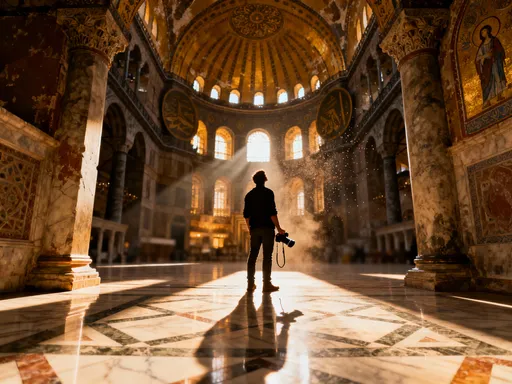
In an age where every moment feels like it must be documented, Te Anau offers a different lesson: some things are meant to be felt, not framed. Photography can be a beautiful way to remember a journey, but it must be done with care, especially when capturing cultural practices. Not every ceremony, gathering, or sacred site is meant to be photographed—and visitors should always ask before raising their cameras.
Respectful photography begins with presence. Instead of rushing to capture the perfect shot, take time to understand what you are seeing. If a guide shares a story, listen first. If an elder begins a karakia, stand quietly. These moments are not performances; they are acts of cultural expression that deserve dignity. When in doubt, put the camera down and simply be there.
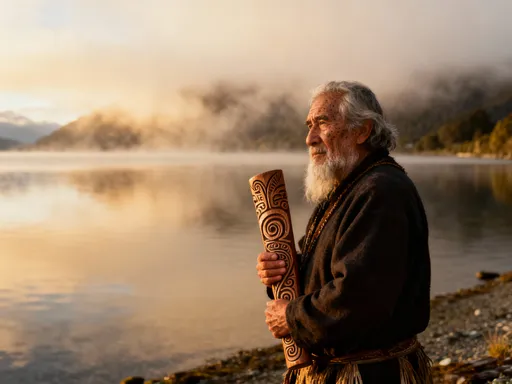
When photography is permitted, aim for authenticity over aesthetics. A genuine smile shared with a local artisan means more than a staged portrait. A quiet shot of a carved paddle resting against a tree tells a deeper story than a crowded group photo. And some of the most powerful images are the ones you never take—the look in a child’s eyes as a legend is told, the hush that falls over a group as a song begins, the warmth of a shared meal under the stars.
Remember: the goal is not to collect images, but to carry home understanding. The best travel memories are not always the ones we can scroll through—they are the ones that change us.
Beyond Milford: Te Anau’s Hidden Cultural Layers
Most visitors come to Te Anau as a stepping stone to Milford Sound, but those who stay discover a far richer tapestry. Seasonal gatherings, such as the autumn muttonbirding season or the spring gathering of kōwhai flowers, connect people to the rhythms of the natural world. These practices are not tourist spectacles—they are living traditions that sustain both culture and environment.
Local food practices offer another layer of cultural insight. Native herbs like kawakawa and horopito are still used in traditional cooking, and some local restaurants incorporate these ingredients into their menus. A simple cup of kawakawa tea, brewed from leaves gathered nearby, can become a moment of connection—to the land, to history, to the people who have lived here for centuries.
Community festivals, often aligned with the Māori lunar calendar, celebrate the turning of the seasons. Events like Matariki, the Māori New Year, are marked with feasts, storytelling, and stargazing. These gatherings are not curated for visitors, but they welcome those who come with open hearts. To attend one is to witness culture not as a display, but as a way of life.
Even the quiet moments—walking the lakeside path at dawn, hearing a wētā chirp in the grass, watching the mist rise off the water—become part of the cultural experience. In Te Anau, culture is not something you visit; it is something you enter, slowly and humbly.
Why This Journey Changes You
Travel has the power to transform, but not all journeys do. The kind that stays with you—the kind that reshapes your perspective—begins not with a checklist of sights, but with a willingness to connect. In Te Anau, that connection is not forced; it is invited. It asks you to slow down, to listen, to honor what is sacred.
Contrast this with the rush of the typical tourist itinerary: arrive, photograph, move on. In that model, culture becomes a backdrop, a setting for a selfie. But in Te Anau, culture is the center. It is not something you consume; it is something you receive. And in receiving it, you give something in return—your attention, your respect, your openness.
This kind of travel changes how you see the world. It teaches you that beauty is not just visual—it is emotional, spiritual, relational. It reminds you that every place has a story, and that the deepest stories are not told in guidebooks, but in the voices of those who belong to the land. When you leave Te Anau, you may carry photos, but you carry more: a quieter mind, a fuller heart, a deeper sense of wonder.
This is not just a trip. It is a reminder that travel, at its best, is not about escaping home—but about remembering what it means to belong.
Te Anau isn’t just about epic landscapes you can “slay” on Instagram. It’s about standing quietly by Lake Te Anau, hearing a pūrākau (Māori legend) under the stars, and realizing you’ve touched something timeless. The best shots aren’t the ones you take—they’re the ones that take something from you: your assumptions, your rush, your distance. Return home with images, yes—but more importantly, with understanding. That’s the real magic of travel.