You Won’t Believe These Hidden Public Spaces in Hoi An
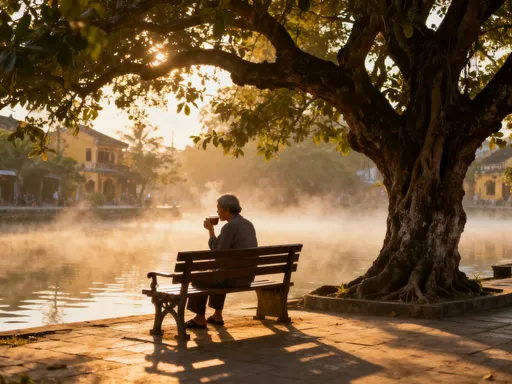
Hoi An isn’t just lanterns and tailors—there’s a quieter, more soulful side hiding in plain sight. I stumbled upon peaceful public spaces most travelers miss: riverside benches where locals sip coffee at dawn, hidden courtyards buzzing with laughter, and quiet park corners under ancient trees. These spots aren’t on postcards, but they hold the heart of the town. If you're looking for authentic connection and calm amidst the charm, this is where Hoi An truly comes alive.
The Lantern-Lit Facade: What Most Tourists See
Hoi An’s Old Town is world-famous for its golden lanterns, ochre-colored buildings, and Japanese Covered Bridge. Every evening, the streets flood with visitors drawn to the glow of hundreds of silk lanterns swaying gently above cobblestone lanes. Shops brim with tailor advertisements, handmade souvenirs, and colorful conical hats. While undeniably beautiful, this postcard-perfect image captures only a fraction of what Hoi An offers. The central district, particularly around Nguyen Thai Hoc and Tran Phu streets, sees high foot traffic from early morning until late at night, especially during peak tourist seasons from January to April. As a result, the most photographed areas often feel more like open-air markets than lived-in communities.
This commercial vibrancy, while economically important, can overshadow the quieter, more intimate aspects of daily life. Many travelers never venture beyond the main thoroughfares, missing the subtle rhythms of local existence just a few blocks away. The concentration of tourism has also led to rising rental prices in the historic core, pushing some long-term residents to the outskirts. This shift alters the social fabric of public spaces, making them more transactional than communal. Yet, just beyond the lantern-lit lanes, a different Hoi An unfolds—one shaped by routine, connection, and quiet contemplation.
To experience this deeper layer, it helps to understand Hoi An not just as a destination but as a living town. Its charm isn’t only in its architecture or crafts, but in how people use shared spaces to build community. By stepping away from the central bustle, visitors gain access to places where life unfolds naturally—where neighbors greet each other by name, children chase dragonflies in shaded corners, and elders sip tea in silence. These are not staged experiences; they are genuine moments of everyday peace. Choosing to explore beyond the guidebook allows for a more respectful and enriching form of tourism, one that honors both the culture and the people who sustain it.
Following the River: Hoi An’s Natural Public Spine
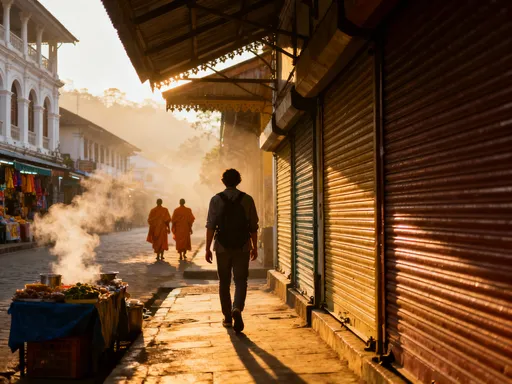
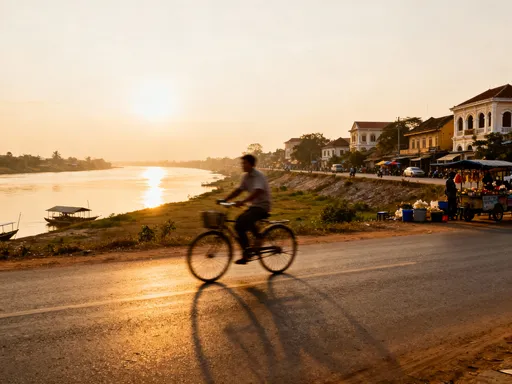
The Thu Bon River is the quiet backbone of Hoi An, winding through the town like a ribbon of reflection and motion. While many tourists view the river from boats or restaurants, fewer take time to walk its banks and observe how locals interact with this natural space. The northern and southern stretches, away from the main tourist docks, offer long stretches of paved pathways lined with low benches, weathered wooden stools, and clusters of banyan trees. At sunrise, these spots come alive with a gentle energy—fishermen checking nets, couples walking hand in hand, and elderly residents practicing slow, deliberate tai chi movements facing the water.
What makes the riverside such a meaningful public space is its accessibility and multiplicity of use. It is neither a park nor a marketplace, yet it serves both functions at different times of day. In the early hours, vendors set up small stalls selling hot rice porridge, sugarcane juice, and steamed banana cakes. By mid-morning, the area quiets again, becoming a place for reading, quiet conversation, or simply watching the current drift by. Fishing remains a visible activity, not just as livelihood but as leisure—children dangle lines from wooden jetties, while older men sit patiently with handmade rods, their faces shaded by wide-brimmed hats.
For travelers seeking tranquility, the best time to visit is between 5:30 and 7:00 a.m., when the air is cool and the light soft. Walking along the river toward Cam Nam Island offers a particularly peaceful stretch, where the water widens and the sounds of the city fade. This area also provides views of local life on the water—houseboats, floating gardens, and small family-run docks where boats are repaired and painted. Unlike the more commercialized boat rides through the lantern district, this part of the river feels untouched by performance. It invites stillness and observation, reminding visitors that Hoi An’s beauty isn’t only in its sights, but in its silence.
Hidden Courtyards and Communal Gardens
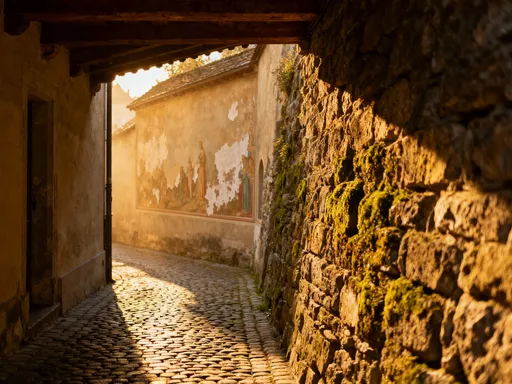
One of Hoi An’s best-kept secrets lies behind unassuming wooden doors and narrow alleyways: the network of shared courtyards and green spaces woven into residential neighborhoods. These semi-private areas are not listed on maps, yet they are vital to the social health of the community. Traditional Vietnamese homes in Hoi An often follow a 'tube house' design—long and narrow—but many open inward into communal yards where several families share space. These courtyards are filled with potted plants, fruit trees, and simple seating made from stone or repurposed wood. On any given afternoon, one might hear the clatter of mahjong tiles, the bubbling of a kettle, or the laughter of children playing tag between laundry lines.
These spaces function as informal living rooms for the neighborhood. Unlike formal parks or commercial plazas, they are not designed for visitors, but their openness allows for quiet appreciation. Residents often welcome respectful onlookers, especially if greeted with a smile or a polite nod. Some courtyards host small altars or shrines, adding a spiritual dimension to daily life. Others are used for seasonal celebrations—lanterns hung during festivals, or tables set up for Tet offerings. The sense of collective ownership is strong; neighbors jointly maintain the space, water the plants, and ensure it remains a safe area for children.
To experience these spaces without intrusion, visitors should approach slowly and avoid entering without invitation. Walking through quieter streets like Hoang Van Thu or Le Dinh Duong during mid-morning or late afternoon increases the chances of glimpsing these hidden gardens. Photography should be discreet, focusing on architecture and greenery rather than people. By honoring these boundaries, travelers gain a rare insight into Vietnamese values of harmony, privacy, and community. These courtyards are not attractions—they are homes—but their presence reminds us that the most meaningful travel often happens in the spaces between destinations.
Morning Markets as Living Public Hubs
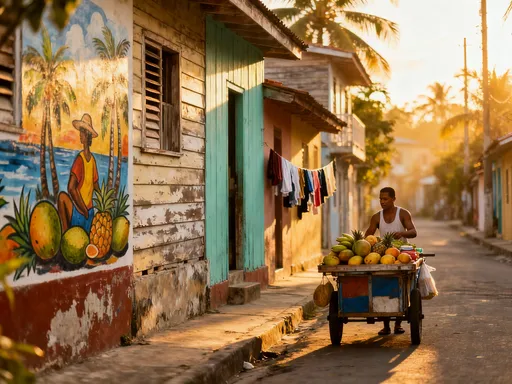
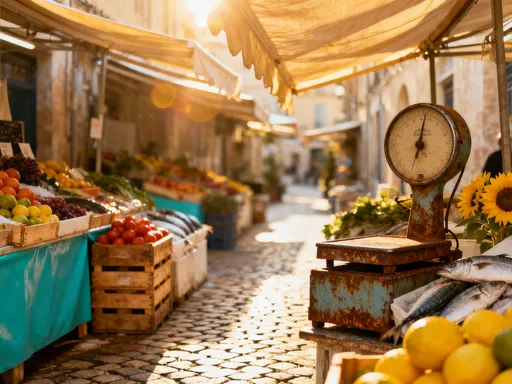
While the central market near the Japanese Bridge draws crowds for souvenirs, local life pulses most vividly in neighborhood markets like Ba Le, Cam Thanh, and An Phu. These are not tourist destinations but essential parts of daily routine, where fresh vegetables, river fish, herbs, and handmade rice paper are sold from dawn until mid-morning. More than places of commerce, they function as social centers—spots where neighbors exchange news, elderly couples meet for breakfast, and grandmothers debate the best way to cook morning glory. The rhythm here is slow and familiar, built on years of shared presence.
At Ba Le Market, just a short bicycle ride from the Old Town, vendors sit on low plastic stools under faded awnings. The air carries the scent of lemongrass, ripe mango, and grilled sweet potatoes. Shoppers move deliberately, inspecting produce with care, bargaining gently, and often pausing for a cup of strong local coffee served in tiny glasses. Unlike in supermarkets, transactions are conversations. A woman buying eggplants might spend ten minutes chatting about her grandson’s school results before paying. These interactions transform the market from a place of exchange into a place of belonging.
For visitors, the key to engaging respectfully is timing and demeanor. Arriving between 6:00 and 8:00 a.m. offers the richest experience, as the market reaches its peak activity. Wearing modest clothing, moving calmly, and smiling frequently helps establish goodwill. While photography is possible, it’s best to ask permission before taking pictures of people. Purchasing a simple item—like a bag of rambutan or a fresh spring roll—can open the door to friendly exchange. These small acts of participation allow travelers to witness, even briefly, the fabric of community life. In a world where public spaces are increasingly privatized or digitized, Hoi An’s morning markets stand as living proof of how commerce and connection can coexist.
Parks Beyond the Guidebooks: Where Locals Gather
Scattered throughout Hoi An’s residential zones are small parks and green areas that rarely appear in travel brochures but are deeply cherished by locals. Tan My Park, located near the intersection of Pham Phuan and Truong Minh Ky, is a prime example. This modest space features a circular walking path, clusters of frangipani trees, and simple exercise equipment used daily by older residents. At sunrise, the park fills with the soft movements of tai chi practitioners, their arms rising and falling in unison. Later in the day, mothers push strollers, teenagers read under trees, and retired men play chess on stone tables.
What sets these parks apart is their integration into daily life. They are not manicured tourist attractions but functional, accessible spaces designed for use. Benches are positioned to catch shade, pathways are wide enough for strollers and wheelchairs, and open lawns invite informal play. Playgrounds, though basic, are well-maintained and often surrounded by seating so caregivers can relax while children climb and swing. These design choices reflect a deep understanding of community needs—spaces that serve multiple generations at once.
For travelers, incorporating these parks into a walking tour offers a refreshing contrast to the density of the Old Town. A suggested route might begin at the northern edge of Cam Nam Island, cross the footbridge into An Phu, and wind through quiet lanes before arriving at Tan My Park. Along the way, one passes family-run cafes, neighborhood shrines, and small temples—all part of the town’s organic public landscape. These parks are not grand, but their quiet dignity speaks volumes about Hoi An’s commitment to livability. They remind us that a city’s soul is not measured by monuments, but by the quality of its everyday spaces.
Temples and Communal Houses: Sacred Public Grounds
In Hoi An, spiritual sites are not reserved solely for worship—they are also vital public spaces where community life unfolds. The Fujian Assembly Hall, the Quang Trieu Temple, and smaller neighborhood pagodas all feature open courtyards, shaded corridors, and rows of wooden benches that welcome both prayer and pause. Unlike some religious sites that restrict access, many of Hoi An’s temples maintain an inclusive atmosphere, allowing visitors to sit, reflect, or simply rest. The scent of incense lingers in the air, mingling with the sound of rustling leaves and distant chatter.
These spaces serve multiple roles. In the early morning, they are places of devotion—locals light joss sticks, bow before altars, and leave offerings of fruit or flowers. By midday, the same courtyards become gathering spots for older residents who come to escape the heat, sip tea, and share stories. Some temples host community events, such as lunar festival celebrations or calligraphy classes for children. The architecture itself—curved roofs, carved dragons, and intricate tile work—invites contemplation, but it is the human activity within that gives these places their warmth.
For visitors, respecting cultural norms is essential. Modest dress—covering shoulders and knees—is expected. Shoes should be removed when entering indoor prayer areas. While photography is generally allowed in courtyards, it should be done discreetly, avoiding shots of people in prayer. Most importantly, these spaces are not museums; they are living parts of the community. Sitting quietly on a bench, observing the flow of life, can be more meaningful than any guided tour. In Hoi An, spirituality and social life are not separate—they are interwoven, creating sanctuaries that are both sacred and deeply human.
Design Lessons from Hoi An’s People-Centered Spaces
The enduring appeal of Hoi An’s hidden public spaces lies in their thoughtful design—simple, human-scaled, and deeply functional. What makes them work is not grand architecture or expensive materials, but attention to basic human needs: shade, seating, accessibility, and a sense of safety. Benches are placed under trees, not in open sun. Pathways are wide enough for conversation but narrow enough to encourage connection. Greenery is integrated naturally, not as decoration but as part of daily life. These elements, though modest, create environments where people feel invited to stay, linger, and engage.
Urban planners around the world could learn from Hoi An’s approach. In many modern cities, public spaces are designed for efficiency or aesthetics, often at the expense of comfort and inclusivity. Plazas may look impressive but lack seating; parks may be large but difficult to access. Hoi An, by contrast, builds spaces that serve real people—elders needing rest, children needing play, families needing to connect. The result is a town where public life thrives organically, not by mandate but by design.
Travelers can support this model by using these spaces respectfully. This means avoiding loud behavior, refraining from littering, and being mindful of local customs. Choosing to sit on a riverside bench instead of rushing through a photo op, or buying coffee from a neighborhood vendor instead of a chain café, are small acts that contribute to sustainable tourism. When visitors engage with Hoi An not as spectators but as temporary participants, they help preserve the authenticity of these spaces. Tourism doesn’t have to erase local life—it can coexist with it, as long as we choose to move with care and curiosity.
The real magic of Hoi An isn’t in its lanterns or its tailors, though both are beautiful. It’s in the quiet moments—the old man reading a newspaper under a banyan tree, the children laughing in a hidden courtyard, the couple sharing a meal on a riverbank bench. These hidden public spaces reveal the town’s true rhythm, a pulse that continues long after the tourists have left. By seeking them out, travelers don’t just see Hoi An—they feel it. In preserving these corners of calm and connection, Hoi An offers a powerful lesson: the most meaningful journeys are not about seeing more, but about feeling deeply. The real wonder isn’t in the spotlight—it’s where people simply live.