Wandering Wild: Ireland’s Hidden Sanctuary in Galway
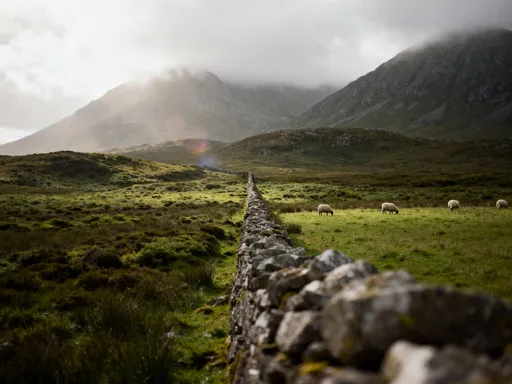
Ever felt the pull of wild, untouched nature? I recently wandered through Galway’s quiet backroads and stumbled upon something incredible — vast protected landscapes where stone walls whisper ancient stories and sheep outnumber people. This isn’t just scenic countryside; it’s a living, breathing conservation success. If you’re craving raw beauty off the tourist trail, you gotta check this out. Here, nature unfolds not in dramatic fanfare but in quiet persistence — in the rustle of reeds along a hidden wetland, the distant call of a curlew over peat bogs, and the slow green spread of moss over centuries-old limestone. For travelers seeking depth over dazzle, County Galway offers a sanctuary where conservation and culture walk hand in hand.
The Allure of Slow Travel in Galway
Traveling through County Galway is less about reaching a destination and more about surrendering to the rhythm of the land. As you leave behind the lively streets of Galway City — with its street musicians, artisan cafés, and bustling market squares — the landscape gradually softens. The roads narrow, the traffic thins, and the horizon opens into rolling hills stitched together by dry stone walls. This is slow travel in its purest form: a deliberate unspooling of time, where the journey itself becomes the experience. In a world that often prizes speed and efficiency, choosing to wander through Galway’s rural heartland is a quiet act of resistance — a way to reconnect with the natural world and with oneself.
The shift in pace is almost physical. One moment you're navigating roundabouts and digital maps; the next, you're following a hand-painted sign toward a village so small it doesn’t appear on most GPS systems. The air changes too — cooler, damper, carrying the scent of wet earth and wild thyme. Morning mist clings to the hollows, lifting slowly as the sun strengthens, revealing patches of purple heather and silver birch groves. Cowbells chime in the distance, and sheep dot the hillsides like punctuation marks in a long, unwritten poem. This is not scenery designed for Instagram. It’s real, unfiltered, and profoundly calming.
What makes Galway particularly suited to this kind of travel is its duality. Known internationally for its vibrant arts scene and traditional music sessions, the county also harbors some of Ireland’s most significant natural landscapes. While many visitors come for the craic — the fun, the conversation, the music — fewer venture into the quieter corners where conservation efforts have preserved ecosystems that are both fragile and resilient. By embracing slow travel, visitors gain access to a deeper layer of Irish life — one shaped by seasons, weather, and the enduring relationship between people and land.
Understanding Ireland’s Protected Landscapes
In Ireland, protected landscapes are not always marked by grand entrances or park rangers in uniform. Instead, they blend seamlessly into the countryside, often indistinguishable from surrounding farmland except to the trained eye. These areas are designated under national and European frameworks aimed at preserving biodiversity, protecting rare species, and maintaining ecological balance. Unlike the expansive national parks of North America, Ireland’s conservation model emphasizes integration — protecting nature without removing people from the equation. Farmers continue to graze livestock, families live on ancestral lands, and visitors walk ancient paths, all within boundaries carefully managed for environmental sustainability.
The backbone of this system is the European Union’s Natura 2000 network, a continent-wide initiative to safeguard natural habitats and species of European importance. Across western Ireland, including large portions of County Galway, numerous sites are designated as Special Areas of Conservation (SACs) or Special Protection Areas (SPAs). SACs focus on preserving specific habitats — such as blanket bogs, limestone pavements, or coastal dunes — and the plant and animal life they support. SPAs, on the other hand, are established primarily to protect bird populations, especially migratory species that rely on Irish wetlands and coastlines during their seasonal journeys.
These designations do not close off the land. In fact, public access is generally encouraged, provided it is low-impact and respectful of the environment. Hiking, birdwatching, and quiet recreation are all compatible with conservation goals. What changes is awareness — visitors are asked to understand that they are moving through ecologically sensitive zones where even small actions can have lasting consequences. Signage may be minimal, but the responsibility lies with each traveler to tread lightly, stay on marked trails, and leave no trace of their passage. This model reflects a broader Irish ethos: that land is not something to be conquered or commodified, but stewarded across generations.
Spotlight on the Burren: A Geological Marvel Next Door
Though technically located in neighboring County Clare, the Burren exerts a powerful ecological and cultural influence over southern Galway. This extraordinary karst landscape — a vast expanse of exposed limestone sculpted by glaciers and rainwater — is one of Europe’s most unique natural environments. Its cracked pavement-like surface creates microclimates that allow Arctic, alpine, and Mediterranean plant species to grow side by side, a botanical anomaly that has fascinated scientists and nature lovers for centuries. Spring brings a burst of color as orchids, gentians, and rare ferns emerge from fissures in the rock, nourished by mineral-rich runoff and sheltered from harsh winds.
What makes the Burren even more remarkable is the centuries-old farming practice known as “winterage.” Unlike most of Europe, where livestock are brought indoors during winter, Burren farmers move their cattle and goats up onto the limestone hills during the colder months. This tradition prevents overgrazing in summer, allows delicate plants to flower and seed, and maintains the open character of the landscape. It’s a perfect example of how human activity, when guided by deep local knowledge, can support rather than harm biodiversity. Conservationists now work closely with farming families to sustain this practice, recognizing that cultural heritage and ecological health are deeply intertwined.
For visitors, the Burren offers an immersive experience in geological and botanical wonder. Well-maintained trails, such as those at Mullaghmore or Aillwee Cave, provide safe access without damaging sensitive areas. Educational centers offer insights into the region’s natural history, and guided walks led by local experts deepen understanding of the landscape’s complexity. The key to responsible visitation is staying on designated paths, avoiding trampling rare plants, and respecting grazing animals. Drones, campfires, and off-trail exploration are discouraged. By following these simple rules, travelers contribute to the ongoing protection of a site that is as scientifically valuable as it is visually stunning.
Connemara: Heart of Galway’s Wild West
If the Burren is a geological poem, Connemara is an epic ballad — vast, emotional, and deeply rooted in identity. Stretching across western Galway, this rugged region is defined by its patchwork of bogs, lakes, and mountains, where the sky seems closer and the wind carries stories from the Atlantic. Much of Connemara falls within the Connemara Bog Complex, a designated Special Area of Conservation that protects one of the largest intact examples of blanket bog in Ireland. These waterlogged peatlands are not wastelands, as they were once mistakenly labeled, but vital ecosystems that store carbon, filter water, and provide habitat for specialized flora and fauna.
Walking through Connemara is an exercise in humility. The scale is immense, the weather unpredictable, and the silence profound. Glacial lakes reflect the shifting clouds, their shores fringed with sphagnum moss and bog cotton. Heather blankets the hills in late summer, turning the landscape into a sea of purple haze. Red deer move silently through the valleys, and peregrine falcons circle above quartzite peaks. This is a place where nature sets the pace, and humans are guests. Yet, people have lived here for thousands of years, leaving behind ring forts, ruined cottages, and field patterns etched into the hillsides — reminders that this wildness has long been shaped by quiet coexistence.
Sustainable tourism plays a growing role in Connemara’s future. Irish Pony trekking, for example, allows visitors to explore remote trails on native Connemara ponies — hardy, intelligent animals well-suited to the terrain. These rides are typically led by local guides who share stories of the land and its history, creating meaningful connections between visitors and place. Eco-lodges and family-run B&Bs increasingly prioritize energy efficiency, local sourcing, and waste reduction. By choosing these accommodations and activities, travelers support conservation not just through donations or awareness, but through everyday decisions that reinforce environmental values.
Exploring Poll na gCeoirr: A Hidden Wetland Gem
Just outside the town of Clifden lies a lesser-known treasure: Poll na gCeoirr, also known locally as Poulgorm. This wetland reserve is a haven for biodiversity, tucked away from main roads and often overlooked by mainstream guidebooks. A network of wooden boardwalks winds through reed beds, marshes, and shallow pools, offering safe passage for visitors while protecting the delicate ground beneath. Interpretive signs along the trail identify common and rare species, from the haunting cry of the curlew — a bird whose population has declined sharply across Europe — to the elusive otter, which leaves telltale spraints along the banks.
One of the most remarkable inhabitants of Poll na gCeoirr is the marsh fritillary butterfly, a species listed under the EU Habitats Directive and found in only a few locations in Ireland. Its survival depends on the presence of devil’s-bit scabious, a wildflower that thrives in damp, unimproved grasslands. Conservation efforts here focus on controlling invasive species, managing water levels, and preventing drainage — all to maintain the precise conditions this butterfly needs. Birdwatchers may also spot snipe, kingfishers, and even the occasional barnacle goose during migration season.
Poll na gCeoirr is designated as a proposed Natural Heritage Area (pNHA), meaning it is under formal consideration for permanent protection. This status reflects its ecological significance and the need to balance access with preservation. Visitors are encouraged to come quietly — no loud voices, no drones, no littering. Binoculars are recommended for observing wildlife without disturbance. There are no cafes or gift shops, only a small parking area and a gate that invites you in with silence. It’s the kind of place where you might sit for twenty minutes watching a heron stand perfectly still in the shallows, and feel, just for a moment, that time has stopped.
How to Visit Responsibly: Ethics of Eco-Wandering
Exploring Galway’s protected landscapes is a privilege, not a right. With that privilege comes responsibility — to the land, to the wildlife, and to the communities that call these places home. The principles of eco-wandering are simple but powerful: move with care, leave no trace, and act with respect. This means staying on marked trails to avoid damaging fragile vegetation, especially in boggy or rocky areas where recovery can take decades. It means packing out all litter, including biodegradable items like apple cores, which can introduce non-native seeds or disrupt local ecosystems.
Respecting livestock is another essential practice. Sheep, cattle, and ponies graze freely across much of Galway’s countryside, often following traditional patterns that support habitat health. Closing gates behind you, keeping dogs on leashes, and avoiding sudden movements near animals are small actions that make a big difference. Off-road driving is strictly prohibited in protected areas — vehicles should remain on public roads to prevent soil compaction and habitat destruction. Even seemingly harmless acts, like picking wildflowers or building cairns, can have cumulative negative effects and are best avoided.
Preparation enhances both safety and sustainability. Waterproof hiking boots are essential, given the frequent rain and boggy terrain. Carrying a physical map and compass — or at least downloading offline navigation apps — reduces reliance on mobile signals, which are spotty in remote areas. Bringing a reusable water bottle, snacks in reusable containers, and a small first-aid kit ensures you’re self-sufficient without generating waste. When possible, support local businesses — buy sandwiches from a village shop, stay in a family-run guesthouse, or enjoy a bowl of chowder at a harbor-side café. These choices keep money in the community and encourage sustainable development.
Why These Lands Matter: Conservation with Soul
The protected landscapes of County Galway are more than scenic backdrops for vacation photos. They are living systems that sustain clean air, fresh water, and climate stability. Peat bogs store vast amounts of carbon, helping to mitigate global warming. Wetlands filter pollutants and reduce flood risk. Native plants and animals, many found nowhere else, contribute to the planet’s genetic diversity. But these lands also hold intangible value — they preserve centuries of cultural memory, from ancient farming practices to oral traditions passed down through generations. To walk through Connemara or the Burren is to step into a story that is still being written.
Conservation in Galway is not about freezing the land in time, but about nurturing a dynamic balance between nature and human presence. It recognizes that people are part of the ecosystem, not separate from it. When travelers adopt the mindset of a temporary guardian — someone who passes through with gratitude and care — they become allies in this effort. Every footstep that stays on the path, every piece of litter picked up, every local business supported, strengthens the web of protection that surrounds these special places.
So let your wanderings be intentional. Let your curiosity be matched by reverence. Let your memories include not just what you saw, but how you showed up. The wild heart of Galway beats quietly, sustained by mist, stone, and centuries of quiet resilience. To visit is to witness something rare and precious. To leave it unchanged — or better — is the highest honor a traveler can give. Return home not just with photographs, but with a deeper understanding of what it means to belong to the earth. And know, with quiet certainty, that you will want to come back.