You Won’t Believe What’s Hiding in Panama’s Colón Streets
I never expected to fall in love with Colón, Panama—honestly, I almost skipped it. But stepping off the beaten path into its quiet neighborhoods changed everything. This isn’t the touristy side you’ve heard of; it’s raw, real, and full of surprises. From vibrant street art to local markets buzzing with energy, Colón’s hidden blocks tell stories no guidebook mentions. If you’re chasing authenticity over comfort, this city deserves your attention. Let me show you the side most travelers completely miss.
Reimagining Colón: Beyond the Cruise Ship Narrative
For decades, Colón has been framed as a brief stopover for cruise passengers disembarking at the Atlantic entrance of the Panama Canal. Many tourists are advised to stay within the secure zones of the port or shopping malls, reinforcing a narrow view of the city as unsafe or unwelcoming. Yet this perception overlooks a deeper truth: Colón is not a footnote to a canal tour—it is a living, breathing urban center with layers of history, culture, and resilience. The city’s reputation often precedes it, shaped more by outdated warnings than current realities on the ground. But for those willing to look beyond the headlines, Colón offers an unfiltered portrait of Caribbean Panama.
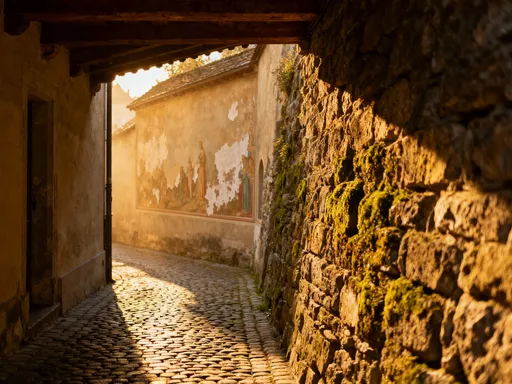
Entering Colón from the north, where the ocean meets the city’s edge, one is immediately struck by its texture. The air carries salt and diesel, mingling with the scent of fried plantains and damp concrete after morning rain. Unlike the polished plazas of Casco Viejo in Panama City, Colón reveals itself in fragments—peeling paint on wooden balconies, children playing soccer in open lots, and laundry strung between houses like festive banners. There is no attempt to perform for tourists here, which is precisely what makes it compelling. This is not a curated experience; it’s everyday life, unfolding without apology.
Urban exploration in Colón requires a shift in mindset. It asks travelers to move from passive observation to active engagement, to trade comfort for connection. The city does not cater to mass tourism, and that is part of its integrity. Rather than wide promenades and souvenir shops, you’ll find narrow streets where neighbors greet each other by name, and corner stores sell cold soda and handmade empanadas. These are the rhythms of a community that has long sustained itself outside the tourist gaze. To walk through Colón is to witness a different kind of beauty—one built not on preservation, but on persistence.
The Heartbeat of the Barrios: Walking Through Local Life
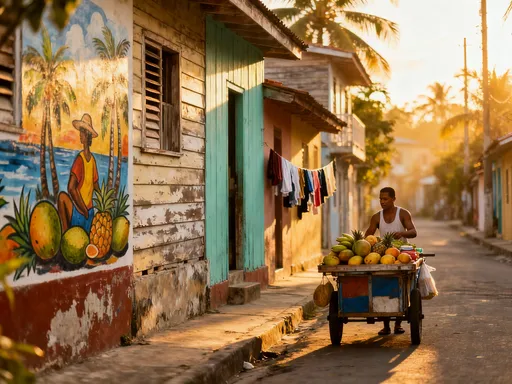
Some of the most revealing moments in Colón happen in its residential neighborhoods, where life unfolds at a human pace. Barrio Blanco and San José, though seldom mentioned in travel guides, are rich with character and daily ritual. These are not picture-perfect postcard scenes, but they pulse with authenticity. Houses sit close together, their pastel-colored walls softened by time and humidity. Roosters crow from backyards, and the steady click of dominoes echoes from shaded porches where older men gather in the late morning.
Walking through these barrios, one becomes aware of how sound shapes the experience. A radio plays salsa music from an open window. A vendor pushes a cart selling coconut water, calling out in a singsong voice. Children laugh as they jump rope on cracked sidewalks. These are not background noises—they are the soundtrack of community. The pace is unhurried, but never idle. Women sweep their doorsteps, men repair motorbikes on the curb, and grandmothers watch over toddlers with quiet vigilance. There is a sense of ownership here, of belonging that runs deep.
The architecture reflects a blend of practicality and heritage. Many homes are built of wood, raised slightly on concrete blocks to protect against flooding. Metal roofs, painted in bold reds, blues, and greens, catch the sunlight and reflect it in dazzling flashes. Doors are often left open, inviting breeze and conversation alike. This is not a city of isolation; it thrives on interaction. Even in modest surroundings, there is pride in presentation—flowers in repurposed cans, hand-painted signs, and neatly kept yards speak to care and identity.
To walk these streets is to be seen, and sometimes greeted. A smile or a simple buenos días can open a conversation. Locals may ask where you’re from, not with suspicion, but curiosity. Some will offer directions, others a recommendation for the best arepa stand nearby. These small exchanges are not transactions—they are moments of human connection that remind us why travel matters. In Colón, you are not just passing through; you are briefly woven into the fabric of daily life.
Hidden Murals and Urban Canvas: Street Art as Storytelling
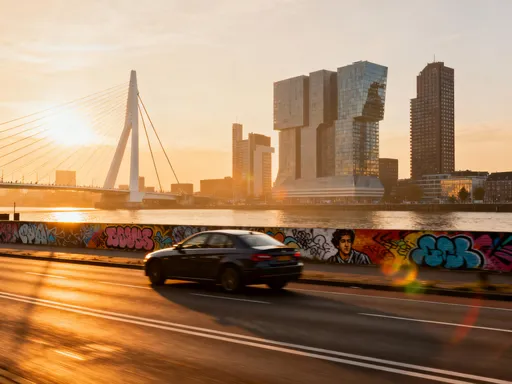
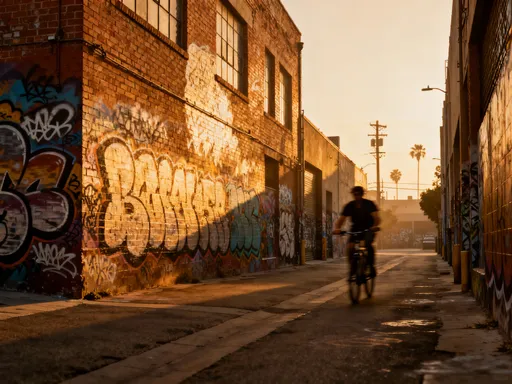
One of the most striking features of Colón’s overlooked corners is its street art. Along alleyways near Avenida 50 and tucked behind corner shops, vibrant murals rise from otherwise unremarkable walls. These are not random graffiti tags, but deliberate expressions of identity, resistance, and hope. Artists use color, symbolism, and scale to tell stories of ancestry, struggle, and celebration. A mural might depict an Afro-Panamanian elder with eyes closed in quiet dignity, surrounded by patterns reminiscent of Kuna molas. Another shows a child reaching toward a kite shaped like a toucan, soaring above a row of weathered houses.
What makes this art powerful is its context. It exists not in galleries, but in the spaces where people live, work, and pass by every day. It is public in the truest sense—accessible, unguarded, and unapologetic. Some murals honor local heroes, including musicians, teachers, and community leaders who have shaped the barrios. Others carry messages of unity, such as “Somos Raíz, Somos Voz” (We Are Roots, We Are Voice), painted in bold lettering across a long stretch of wall. These works do not romanticize hardship; instead, they affirm dignity in the face of it.
The style varies from photorealistic portraits to abstract compositions, often blending indigenous, African, and Caribbean influences. Spray paint is used alongside stencils and hand brushes, sometimes layered over older images, creating a visual timeline of expression. In one alley, a faded mural of a Panamanian flag has been repainted with fresh stars, symbolizing renewal. These transformations reflect the city itself—constantly adapting, yet holding onto core values.
For travelers, engaging with street art offers a non-intrusive way to connect with local culture. It invites reflection without requiring participation. You don’t need to speak the language to feel the emotion behind a painted mother cradling her child, or a fisherman casting his net into turquoise waves. These images speak a universal language of memory and meaning. And by simply pausing to look—really look—you honor the artist’s intent. In Colón, street art is not decoration; it is dialogue.
Market Days: Where Flavor and Community Collide
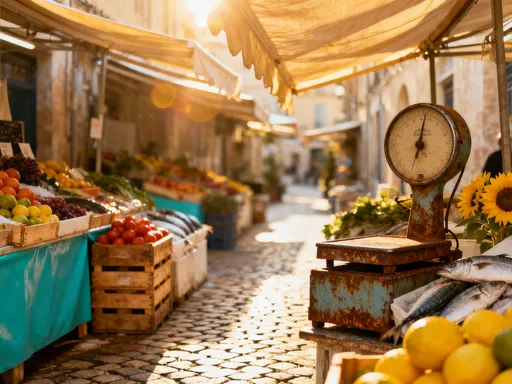
No visit to Colón is complete without stepping into one of its bustling markets. While the Mercado Nacional in Panama City is more famous, Colón’s neighborhood markets offer a more intimate and authentic experience. These are not tourist markets with mass-produced trinkets, but working hubs where families shop for daily meals and artisans sell handmade goods. The air is thick with aroma—ripe mangoes, grilled meat, cumin, and the sharp tang of fresh cilantro. Baskets overflow with yuca, plátanos, and guanábana, fruits that thrive in Panama’s tropical climate.
Vendors sit behind wooden stalls, their faces shaded by wide hats or sun-faded umbrellas. Many have worked in the same spot for decades, building relationships with regular customers. A woman might greet a young mother with “¿Cómo está el bebé?” before handing over a bundle of cilantro. An older man might weigh out dried beans with practiced hands, then add an extra scoop “porque eres buena clienta.” These small gestures reveal a culture of care embedded in commerce.
Food is central to the market experience. Stalls offer traditional Panamanian snacks like hojaldas (sweet fried dough), empanadas filled with chicken or cheese, and carimañolas (yuca fritters stuffed with meat). For a refreshing drink, fresh coconut water served in the shell is both hydrating and delicious. Some vendors blend fruit into icy batidos—smoothies made with mango, papaya, or pineapple—sweetened only with natural juice. Eating here is not about fine dining; it’s about flavor, freshness, and connection.
For visitors, respectful engagement is key. A simple greeting before browsing goes a long way. Bargaining is not common in these local markets—prices are already fair and reflect the vendor’s livelihood. Instead of haggling, a sincere compliment or a thank you in Spanish (“Muchas gracias”) can brighten someone’s day. These markets are not performances for tourists; they are real spaces of survival and sustenance. To honor them is to shop mindfully, to eat with gratitude, and to recognize the labor behind every item sold.
Offbeat Architecture: Colonial Bones, Caribbean Soul
Colón’s architectural landscape tells a story of adaptation and survival. Though much of the city was rebuilt after mid-20th century fires and urban changes, remnants of its colonial and Caribbean heritage remain visible. In older districts, wooden houses with tall windows and wraparound porches stand as testaments to a bygone era. Their metal roofs, often corrugated and painted in bright colors, reflect both practicality and aesthetic choice—designed to withstand heavy rains while adding vibrancy to the streetscape.
These homes blend Spanish colonial layouts with Afro-Caribbean craftsmanship. Elevated foundations protect against flooding, while wide eaves provide shade and shelter from tropical downpours. Interior courtyards, though less common now, were once central to family life, offering private space for cooking, washing, and gathering. Today, many homes have been modified to fit modern needs, but the original design principles remain evident in their orientation, ventilation, and use of local materials.
Unlike the restored facades of Casco Viejo or the historic forts of Portobelo, Colón’s architecture has not been preserved for tourism. There are no heritage plaques or guided tours of residential streets. This lack of formal preservation means some buildings are in disrepair, their paint peeling and wood warped by humidity. Yet even in decay, there is beauty—a rose bush spilling over a broken gate, a hand-carved door still standing strong, a window box blooming with red hibiscus.
This organic state of preservation speaks to a different kind of authenticity. These homes are not museum pieces; they are lived-in, loved, and continuously adapted. Some families have occupied the same house for generations, passing down not just property, but stories and traditions. When a roof is replaced or a wall repainted, it is done not for aesthetics alone, but for survival. In Colón, architecture is not about perfection—it is about endurance.
Getting Around Like a Local: Practical Tips for Urban Exploration
Exploring Colón safely and meaningfully requires thoughtful planning. The city is best experienced on foot, especially in the morning hours when the streets come alive with activity. Mid-morning to early afternoon is ideal—markets are open, children are in school, and shopkeepers are alert and welcoming. This is when the city feels most accessible and inviting. Avoid late afternoon and evening walks in less populated areas, as visibility decreases and fewer people are out.
For longer distances, the iconic *diablitos rojos*—colorful, privately operated buses—offer an affordable and authentic way to travel. These buses, once standard public transit in Panama City, now operate in various cities including Colón. They are brightly painted, often with religious symbols or family names on the windshield, and play reggaeton or salsa music through crackling speakers. Boarding one gives you a real-time view of local life, as passengers chat, children do homework, and vendors sell snacks during stops.
When walking, stick to main streets and well-trafficked neighborhoods. Areas near schools, churches, and markets tend to be safer and more welcoming to visitors. Always carry a simple map or use a phone GPS discreetly—avoid looking lost or distracted. A small crossbody bag worn in front is practical for keeping essentials secure. Dress modestly and comfortably, in lightweight clothing suitable for the heat and humidity.
Engagement is encouraged, but boundaries matter. If someone invites you into their home or offers a drink, accept with gratitude or politely decline—either response is respected. Never enter private property without permission, and avoid photographing people without asking. A simple “¿Puedo tomar una foto?” followed by a smile often results in a nod or even a pose. These small courtesies build trust and show respect for the community you are visiting.
Why Hidden City Blocks Matter: Travel That Goes Deeper
Visiting the hidden blocks of Colón is not about finding the next Instagram hotspot or checking off a bucket list item. It is about shifting how we travel—moving from consumption to connection, from spectacle to understanding. In an age where destinations are often reduced to curated highlights, Colón reminds us that real culture lives in the in-between spaces: the side streets, the market stalls, the painted walls, the front porches.
Slow, mindful travel allows us to see beyond stereotypes. It challenges us to question why some cities are labeled “dangerous” while others are celebrated as “charming,” even when they share similar histories and challenges. Colón has been overlooked not because it lacks value, but because it does not conform to conventional tourism standards. Yet its value lies precisely in its resistance to commodification. Here, life is not performed—it is lived.
For travelers, especially women between 30 and 55 who often seek meaningful, enriching experiences, Colón offers a rare opportunity: to engage with a place on its own terms. It invites curiosity without demanding spectacle, humility without humiliation. You won’t find luxury spas or five-star hotels, but you will find warmth, resilience, and truth.
Ultimately, traveling deeper means listening more than speaking, observing more than photographing, and learning more than judging. It means recognizing that every city has layers, and the most valuable ones are not always the easiest to see. Colón’s soul is not in its port or its past, but in its present—in the laughter of children, the stroke of a muralist’s brush, the steam rising from a market vendor’s pot. These are the quiet moments that stay with you long after you’ve returned home.
The transformation from skepticism to appreciation is not immediate. It grows slowly, like a seed planted in damp soil. You may arrive with doubts, but if you walk with openness, you will leave with gratitude. Colón does not need to be “discovered” by the world—it has always been here, vibrant and vital. But for those willing to look closely, it offers a rare gift: the chance to see a city not as others have defined it, but as it truly is. And sometimes, that is the most powerful journey of all.