Why Rotterdam’s Cultural Scene Is a Road-Trip Revelation
You know that feeling when you take the open road with no plan, just vibes? That’s exactly how my drive to Rotterdam turned into something unforgettable. I didn’t expect much—honestly, I was just passing through—but what I found was mind-blowing: bold architecture, raw street art, and festivals that make your soul buzz. Rotterdam isn’t just a city; it’s a living, breathing cultural playground you’ve gotta experience behind the wheel. What began as a casual detour became a deep dive into a place where creativity pulses through every brick, mural, and canal. This is not a museum piece frozen in time—it’s a city in motion, constantly redefining itself, and best explored with the freedom only a car can offer.
The Decision to Drive: Why Rotterdam by Car Changes Everything
Choosing to drive to Rotterdam transforms the journey from a simple transfer into an unfolding narrative of discovery. Unlike rigid train schedules or fixed flight itineraries, a road trip allows travelers to follow curiosity rather than timetables. Whether arriving from Brussels, Amsterdam, or even Frankfurt, the Netherlands’ well-maintained highway network makes access seamless. The A16 motorway, in particular, serves as a direct artery into the heart of Rotterdam, guiding drivers past windmill-dotted landscapes and quiet farmlands before giving way to the city’s dynamic skyline. This gradual transition—from rural calm to urban energy—prepares visitors for what lies ahead: a city shaped by resilience and imagination.
Having a car unlocks layers of experience often missed by conventional tourists. While city centers are walkable, Rotterdam’s cultural soul spills far beyond its core. With a vehicle, travelers can explore neighborhoods at their own pace, linger in unexpected corners, and adjust plans based on spontaneous recommendations. Need to double back for another look at a striking mural? Want to detour to a weekend market in Feijenoord? A car makes such flexibility effortless. Parking in Rotterdam is both abundant and well-organized, with modern facilities like the one beneath the Markthal or automated towers near Museumpark offering secure, convenient options. Many cultural sites also provide clear signage and short walking distances from designated lots, ensuring accessibility without hassle.
Equally important is the psychological shift that comes with driving. The act of steering through changing landscapes fosters a deeper connection to place. You’re not just arriving—you’re arriving with context. You’ve seen the flat Dutch terrain, the careful water management systems, the patchwork of towns linked by bike paths and canals. This awareness enriches the arrival, grounding the cultural experience in geography and history. For families, couples, or solo adventurers alike, the autonomy of a self-drive journey amplifies the sense of adventure, turning a simple visit into a personalized exploration of one of Europe’s most innovative urban environments.
First Impressions: A City That Rebuilds Itself Through Culture
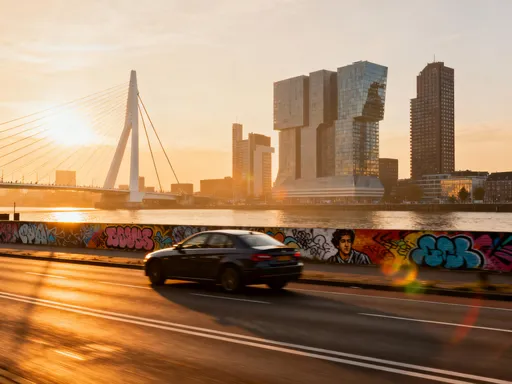
As you cross the Nieuwe Maas River and the Erasmus Bridge rises into view, Rotterdam announces itself with quiet confidence. Known locally as “The Swan” for its graceful arch and sweeping cable stays, the bridge is more than an engineering marvel—it’s a symbol of the city’s rebirth. Unlike Amsterdam’s preserved 17th-century charm, Rotterdam wears its modernity like a badge of honor, a result of near-total destruction during World War II and the bold decision to rebuild not with nostalgia, but with vision. What emerged was not a replica of the past, but a laboratory for urban innovation, where architecture became a language of progress and possibility.
Driving into the city center, the skyline tells this story in steel and glass. The Cube Houses, tilted at sharp angles and perched like futuristic treehouses, challenge conventional design. The sleek towers of Zuidas stand as testaments to economic vitality, while the sculptural form of the Markthal—a horseshoe-shaped complex housing a daily food market, residences, and artwork—blends utility with artistry. Inside, the vast ceiling mural, “Horn of Plenty”, bursts with hyperrealistic images of fruit, flowers, and seafood, transforming a functional space into an immersive gallery. It’s here, amid the hum of shoppers and the scent of fresh stroopwafels, that culture becomes tangible, woven into the rhythm of everyday life.
This spirit of reinvention extends beyond aesthetics. Rotterdam’s identity is rooted in adaptability—its port, the largest in Europe, has long been a hub of global exchange, bringing diverse influences that shape its cultural fabric. The city doesn’t just accept change; it invites it. Public spaces are designed for interaction, from the open plazas of Stadhuisplein to the floating pavilions on the water. Even traffic infrastructure, like the innovative Maastunnel with its moving walkways and cyclist elevators, reflects a commitment to accessibility and forward thinking. For the arriving traveler, the message is clear: this is a city that doesn’t look back, but it remembers where it came from—and uses that memory to fuel its future.
Street Art & Urban Expression: A Moving Canvas Along the Route
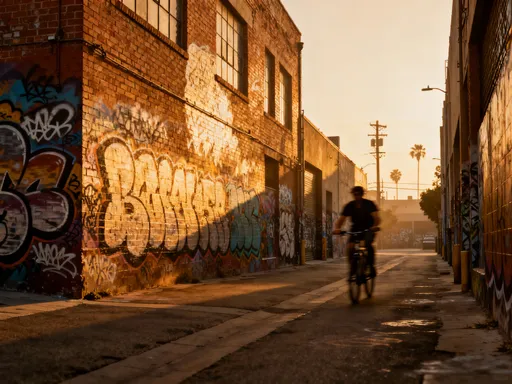
Even before stepping out of the car, Rotterdam reveals its artistic pulse through the vibrant murals and graffiti that adorn its walls. Unlike cities where street art is hidden in alleys or tolerated only in designated zones, Rotterdam embraces urban expression as a legitimate and celebrated form of cultural dialogue. As you navigate the streets, especially around the Luchtsingel and the area near OMA’s Kunsthal, you’re greeted by large-scale works that transform concrete into color, monotony into meaning. One moment you’re driving past a building covered in a surreal portrait of a child with galaxies in their eyes; the next, a political stencil urges civic engagement—all without slowing down.
The Luchtsingel itself is a landmark of participatory culture. This bright yellow pedestrian bridge, funded through crowdfunding, connects the city center with the Cool district and serves as both a functional pathway and an open-air gallery. Its wooden walls are covered in graffiti tags, each one authorized and preserved as part of a rotating urban art project. From the car, you can glimpse this stretch as a ribbon of creativity, a bold statement that public space belongs to the people. Nearby, the Benthemplein Water Square—a multifunctional public space designed to store rainwater—doubles as a canvas for temporary installations and youth-led art initiatives, further blurring the line between utility and expression.
What sets Rotterdam’s street art apart is its integration into the city’s broader cultural strategy. Rather than treating graffiti as vandalism, local authorities collaborate with artists to channel creativity into constructive outlets. Projects like the Rotterdam Street Art Festival bring international talent to the city, resulting in works that are both technically impressive and socially resonant. Driving through neighborhoods like Spangen or Bloemhof, you’ll notice how even industrial zones are revitalized by murals depicting local history, environmental themes, or abstract visions of the future. These aren’t just decorations—they’re conversations, painted in spray paint and sunlight, inviting viewers to reflect, react, and engage. For the road-tripper, this visual richness turns every drive into a curated tour, where the journey itself becomes an exhibition.
Museums and Galleries: Curated Culture Within Easy Reach
For those seeking more structured cultural immersion, Rotterdam offers a compact yet powerful array of museums and galleries, many of which are easily accessible by car and thoughtfully integrated into the urban landscape. At the forefront is the Museum Boijmans Van Beuningen, a cornerstone of Dutch art heritage. While the main building is currently closed for renovation, its innovative solution—the Depot Boijmans Van Beuningen—has become a destination in its own right. This mirrored, bowl-shaped structure near Museumpark is the world’s first publicly accessible art storage facility, where visitors can see over 150,000 works not on display elsewhere. With designated parking nearby and clear signage from major roads, reaching the depot is straightforward, and the experience inside—walking through climate-controlled vaults filled with paintings, design objects, and historical artifacts—feels like stepping into the backstage of art history.
Just a short drive away, the Chabot Museum pays tribute to Hendrik Chabot, a 20th-century Dutch painter known for his expressive use of color and emotional depth. Nestled in the serene Kralingse Bos park, the museum offers a quieter, reflective contrast to the city’s bold architecture. The surrounding greenery enhances the experience, making the drive there not just practical but part of the visit’s contemplative mood. Similarly, the Wereldmuseum Rotterdam provides a global perspective through its collections of African, Asian, and South American artifacts, many of which were acquired during the city’s maritime heyday. The museum emphasizes dialogue and cultural exchange, with exhibits that explore identity, migration, and tradition in ways that resonate deeply with contemporary audiences.
What unites these institutions is their commitment to accessibility and relevance. None feel elitist or detached; instead, they are embedded in neighborhoods, connected by bike paths and public transport, and designed to welcome diverse audiences. For drivers, this means convenient drop-off points, family-friendly facilities, and the ability to combine multiple visits in a single day. Temporary exhibitions often tackle pressing social themes, from sustainability to urbanization, ensuring that culture in Rotterdam isn’t just about preserving the past, but shaping the future. Whether you’re an art connoisseur or a casual observer, these spaces offer moments of insight, beauty, and connection—easily reached, deeply felt.
Festivals on the Fly: Timing Your Trip for Cultural Peaks
One of the greatest advantages of a road trip is the ability to align your visit with major cultural events, turning a simple getaway into a front-row seat to Rotterdam’s vibrant energy. The city’s festival calendar is packed with happenings that transform public spaces into stages, streets into dance floors, and the entire urban fabric into a living celebration. Among the most renowned is the North Sea Jazz Festival, held annually at the Ahoy Rotterdam complex. Drawing international legends and emerging artists alike, the event spans genres from soul and funk to electronic and world music. With ample parking and easy highway access, attending as a day visitor by car is entirely feasible—even luxurious, given the ability to retreat to a nearby hotel or return home at your own pace.
Equally compelling is Rotterdam Unlimited, a free, citywide festival that takes place each September. For one weekend, the streets come alive with pop-up performances, open studios, music acts, and light installations. Areas like Witte de Withstraat and Oude Haven become pedestrian zones, filled with locals and visitors soaking in the creative atmosphere. Driving in advance allows you to scout parking, drop off picnic supplies, and plan your route through the scattered events. Unlike crowded train journeys, a car gives you the freedom to leave and return, to rest when needed, or to extend your stay based on the night’s energy. The Architecture Biennale, another highlight, invites designers, thinkers, and citizens to explore urban futures through exhibitions, talks, and interventions across the city. Many installations are located in underused spaces—old warehouses, vacant lots, or waterfront sites—accessible most conveniently by car.
Timing your road trip around these festivals not only enhances the experience but also connects you to the city’s communal heartbeat. There’s a palpable sense of pride and participation during these times, as Rotterdam opens its doors and invites the world in. Accommodations in and around the city range from boutique hotels to eco-friendly B&Bs, many offering special packages during peak events. With a vehicle, you’re not limited to city-center stays; you can choose quieter lodgings in nearby towns like Schiedam or Capelle aan den IJssel and commute comfortably. This flexibility reduces stress and increases enjoyment, allowing you to engage fully with the cultural offerings without the pressure of tight schedules or overcrowded transit.
Beyond the City: Cultural Detours Worth the Extra Mile
While Rotterdam’s core is rich with attractions, some of its most authentic cultural moments lie just beyond the city limits—places best reached with a car. A short 15-minute drive southwest brings you to Delfshaven, a historic district that miraculously survived the wartime bombings. With its 17th-century canals, gabled houses, and cobblestone streets, Delfshaven offers a glimpse into the Rotterdam of old. It’s here that pilgrims paused before sailing to America in 1620, and the atmosphere remains one of quiet reflection and heritage. The neighborhood now thrives with independent cafés, craft breweries, and small galleries, making it ideal for a leisurely morning or afternoon stop. Parking is available along the perimeter, and the compact layout invites walking once you’ve arrived.
For a different flavor, head north to the Kralingen district, home to Erasmus University and a thriving student population. This area pulses with indie energy, from vinyl shops and bookstores to pop-up food markets and underground music venues. The Kralingse Plas, a large recreational lake, hosts summer concerts and open-air cinema nights, drawing crowds who bike, boat, or drive in for the evening. The surrounding parkland is perfect for a picnic or a quiet walk, offering a peaceful counterpoint to the city’s urban intensity. Another compelling detour is the Port of Rotterdam’s official tour, which takes visitors into the heart of Europe’s largest port. While not a traditional cultural site, the port is a symbol of the city’s economic and social identity. The two-hour guided bus tour (accessible via pre-booked shuttle from designated lots) showcases massive container terminals, automated cranes, and innovative sustainability projects, illustrating how industry and culture coexist in this forward-thinking city.
These excursions highlight a key truth: Rotterdam’s identity cannot be confined to a single neighborhood or museum. It’s a mosaic of old and new, industrial and artistic, local and global. A car allows you to piece this mosaic together at your own pace, to see the connections between a historic square in Delfshaven and a digital art installation in the city center. It transforms the trip from a checklist of sights into a narrative of discovery, where each detour adds depth and meaning to the whole.
Driving Tips and Cultural Etiquette: Smooth Travels, Deeper Connections
To fully enjoy a road trip to Rotterdam, a few practical considerations ensure both safety and respect for local norms. Dutch drivers are known for their discipline and adherence to rules, so it’s essential to familiarize yourself with basic regulations before arrival. Seat belts are mandatory for all passengers, speed limits are strictly enforced (50 km/h in urban areas, 100 km/h on rural roads, and 130 km/h on highways), and using a mobile phone while driving—even with hands-free—is prohibited unless securely mounted. Speed cameras are common, and fines are issued promptly, so maintaining awareness is crucial.
Perhaps the most distinctive aspect of Dutch road culture is the dominance of cyclists. Bike lanes are ubiquitous, clearly marked, and treated as inviolable. Drivers must yield to cyclists at intersections and avoid blocking bike paths, even temporarily. When turning right, always check for cyclists approaching from the right, as they often continue straight. Roundabouts are common and operate on a yield-to-the-left principle, which may differ from practices in other countries. Patience and predictability are valued over assertiveness, and aggressive driving is rare and socially frowned upon.
Parking in Rotterdam is efficient but regulated. Many areas operate under the “Rotterdam Bereikbaar” system, which uses time-limited zones and digital payment via apps or kiosks. Eco-friendly neighborhoods like the city center may have low-emission requirements, so ensure your vehicle meets local standards. When visiting museums or markets, look for official parking garages, which are safer and often include validation discounts. Beyond logistics, cultural etiquette enhances the experience. Locals appreciate directness, cleanliness, and environmental consciousness—traits reflected in the city’s well-kept streets and recycling norms. Greeting shopkeepers, respecting quiet hours, and disposing of waste properly go a long way in building positive interactions. Ultimately, driving in Rotterdam isn’t just about navigation; it’s about participating in a culture of order, innovation, and openness.
Conclusion
Rotterdam isn’t just a stopover—it’s a cultural awakening best felt with the freedom of the open road. Driving here means more than getting from point A to B; it’s about discovering unexpected art corners, joining local celebrations, and experiencing a city that thrives on reinvention. This is travel with purpose, energy, and soul. From the moment you cross the Erasmus Bridge to your final glimpse of a sunset-lit mural, every mile tells a story. The car becomes more than a vehicle—it’s a companion in exploration, a tool for spontaneity, and a bridge to deeper understanding. Rotterdam challenges expectations, rewards curiosity, and invites you to see culture not as something preserved behind glass, but as a living force shaping streets, buildings, and lives. With the keys in hand and the road ahead, you’re not just visiting—you’re becoming part of the story. Ready to hit the road?